
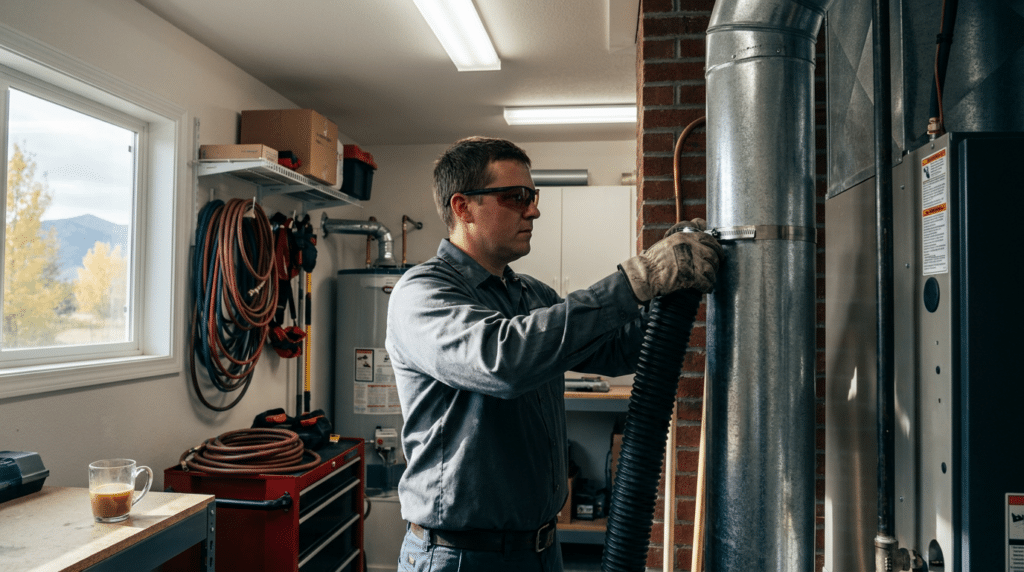
Residential air vent cleaning may support a cleaner home when ductwork contains substantial dust, renovation debris, pest contamination, or verified mold growth. However, duct cleaning does not cure allergies, asthma, respiratory illness, or poor indoor air quality from unrelated sources.
The right approach starts with an inspection. A professional can examine accessible HVAC components, identify conditions that may justify cleaning, and determine whether moisture, damaged insulation, pests, or mechanical problems require separate attention.
Treasure State Restoration provides professional duct cleaning services throughout Bozeman, Belgrade, and Southwest Montana. Call (406) 404-9826 to request an estimate.
Table of Contents
- When Residential Air Vent Cleaning May Be Needed
- What Air Vent Cleaning Can and Cannot Do
- Dust, Pollen and Pet Allergens in Ductwork
- Mold and Moisture Inside HVAC Systems
- Conditions That Can Affect Sensitive Residents
- What Professional Air Vent Cleaning Includes
- Preventing Contamination From Returning
- When to Schedule an Air Vent Inspection
- Frequently Asked Questions
When Residential Air Vent Cleaning May Be Needed
A light coating of dust inside an air duct does not automatically mean the system requires cleaning. Dust can collect on duct surfaces without constantly entering occupied rooms.
Cleaning may be worth considering when an inspection identifies:
- Substantial dust or debris inside the ductwork
- Particles visibly blowing from supply registers
- Construction or remodeling debris in the system
- Evidence of rodents, insects, nesting material, or droppings
- Verified mold growth on hard-surface ducts or HVAC components
- Water contamination within the HVAC system
- Persistent odors connected to the ventilation system
- Debris restricting airflow through accessible components
- Contamination following fire, smoke, or water damage
Visible dust on a return grille alone does not confirm that the entire duct system is contaminated. Registers naturally collect dust as air moves through them. Inspect the inside of the system before deciding whether full cleaning is appropriate.
What Air Vent Cleaning Can and Cannot Do
Professional cleaning removes accessible debris from designated parts of the ventilation system. When contamination is present, removing it may reduce the amount available to move through the system or collect around registers.
Air vent cleaning cannot correct every indoor air quality concern. It does not replace:
- Regular HVAC filter changes
- Moisture and humidity control
- Plumbing or roof-leak repairs
- Pest removal and exclusion
- Source control for smoke and household chemicals
- Proper kitchen and bathroom ventilation
- HVAC repairs or balancing
- Medical evaluation for unexplained symptoms
Indoor air can be affected by cooking, cleaning products, tobacco smoke, candles, pets, outdoor pollen, building materials, moisture, and occupant activities. Ductwork may contribute, but it is not the only factor.
The U.S. Environmental Protection Agency does not recommend routine duct cleaning on a fixed schedule. Instead, it advises homeowners to consider cleaning when they find specific contamination. Current evidence does not support claims that duct cleaning prevents illness or consistently eliminates allergy symptoms.
Dust, Pollen and Pet Allergens in Ductwork
Pollen, pet dander, textile fibers, construction dust, and other particles can enter a home through doors, windows, clothing, pets, and normal activities. Some material may reach return vents and settle inside the HVAC system.
A correctly installed filter can capture part of this material before it reaches sensitive components. Filter performance depends on the filter rating, fit, replacement schedule, and compatibility with the HVAC equipment.
Duct cleaning may be reasonable when an inspection finds substantial accumulation or when particles are being released from the system. It should not be presented as a guaranteed treatment for allergies or asthma.
People experiencing persistent coughing, wheezing, congestion, or other respiratory symptoms should speak with a qualified healthcare professional. A duct inspection can identify property conditions, but it cannot diagnose the cause of a person’s symptoms.
Mold and Moisture Inside HVAC Systems
Mold requires moisture. If you suspect mold inside an HVAC system, cleaning visible material without correcting the moisture source may allow the problem to return.
Possible sources include:
- Condensation on poorly insulated ductwork
- Clogged or damaged condensate drains
- Water entering through a roof or plumbing leak
- Wet insulation surrounding or lining the ducts
- Improper humidity control
- Flooding or previous water damage
- Air leakage around ducts in unconditioned spaces
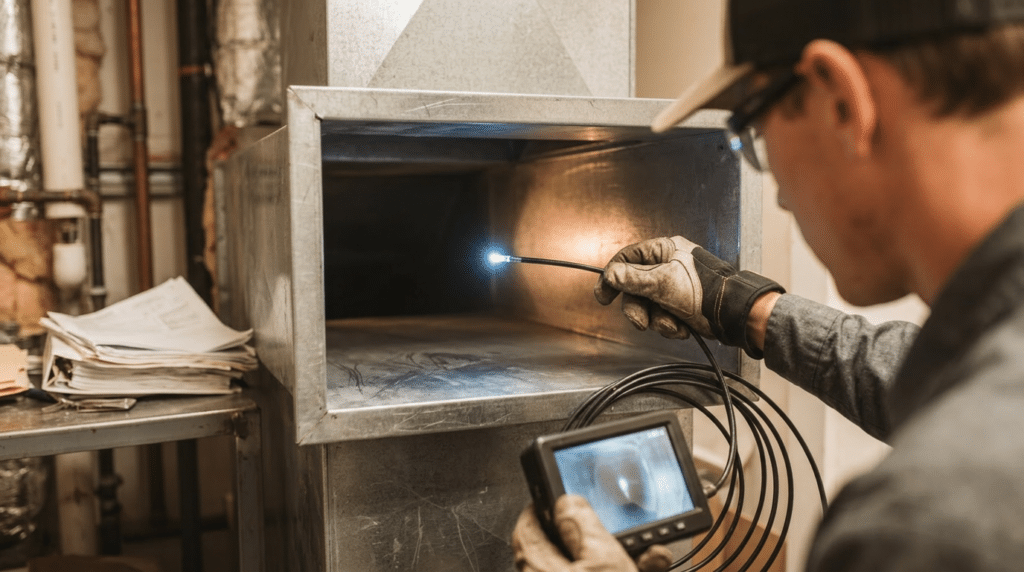
A substance that looks like mold should not automatically be described as mold without an appropriate assessment. Technicians should show the homeowner the affected area and explain how they identified the condition.
Substantial mold growth on hard, nonporous duct surfaces may be cleanable after the moisture problem is corrected. Wet or mold-contaminated fiberglass duct liner may not be effectively cleanable and can require replacement.
Do not apply chemical products casually inside an HVAC system. Any sanitizer, disinfectant, or antimicrobial product must be specifically labeled for the intended HVAC surface and application. Homeowners should ask what product is proposed, why it is needed, where it will be applied, and what occupancy precautions apply.
When contamination extends beyond the ductwork, separate mold remediation may be necessary. If the problem followed a leak or flood, water-damage restoration may also be required to locate and dry affected materials.
Conditions That Can Affect Sensitive Residents
Some people are more sensitive to indoor pollutants and damp conditions than others. This can include:
- People with asthma or diagnosed allergies
- Infants and children
- Older adults
- People with chronic lung conditions
- Individuals with weakened immune systems
Mold, pollen, pet allergens, dust mites, smoke, and pest debris can contribute to symptoms in sensitive individuals. Their presence in a home deserves attention, but duct cleaning alone may not reduce exposure.
A useful assessment looks at the entire property. Sources may include carpeting, bedding, pets, damp building materials, outdoor air, smoking, or other conditions unrelated to the ducts.
If a household member experiences unexplained or worsening symptoms, seek medical guidance. A restoration or duct-cleaning contractor can assess building conditions but should not make medical diagnoses or promise health outcomes.
What Professional Air Vent Cleaning Includes
The exact process depends on the HVAC configuration and the contamination found. Before work begins, the provider should identify which components are included and which are excluded.
A professional service may involve:
Inspection of Accessible Components
Technicians inspect accessible supply and return ducts, registers, grilles, and relevant HVAC components. Cameras or inspection tools may help examine areas that are difficult to view directly.
Protection of the Home
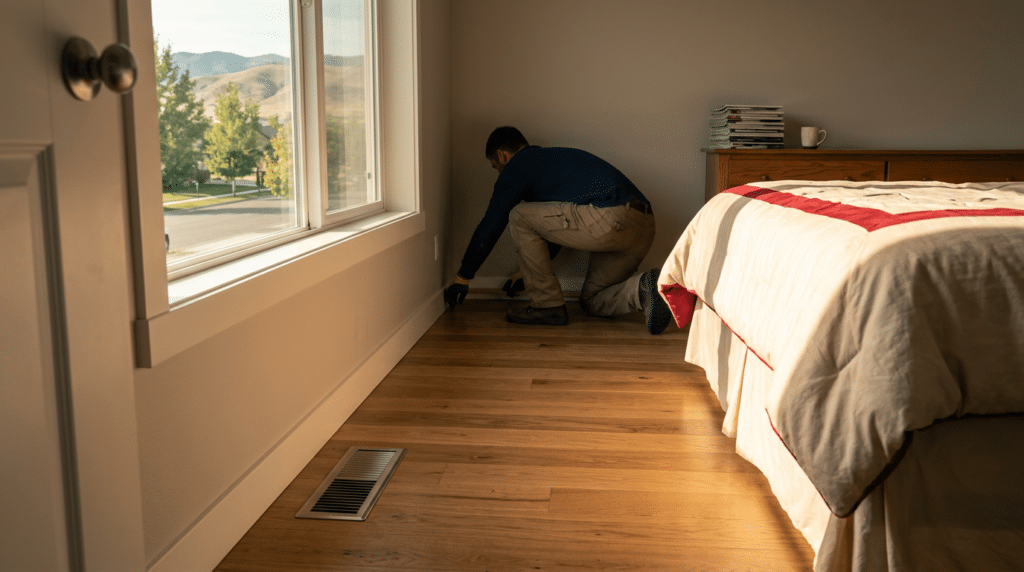
Protect flooring, furnishings, and occupied areas before bringing equipment inside. Professionals may carefully remove registers so they can be cleaned without damaging surrounding finishes.
Debris Removal
Professionals use equipment to loosen and collect dust and debris. The collection method should prevent dislodged material from entering occupied rooms.
Treasure State Restoration uses compressed air to clean ductwork without whips. The appropriate approach depends on the material, accessibility, and system condition.
Cleaning of Registers and Grilles
Supply registers, return grilles, and accessible covers can collect visible debris. These components may be removed, cleaned, and reinstalled as part of the defined scope.
Final Review
After cleaning, the technician should explain what was found, what was completed, and whether additional repairs are recommended. Homeowners should ask to see inspection images when available.
A duct-cleaning company should not claim that routine cleaning will prevent illness, eliminate every allergen, or permanently solve indoor air quality problems.
Preventing Contamination From Returning
Cleaning provides limited value if the cause of contamination remains unresolved. After service, focus on controlling the sources that allowed debris or moisture to enter.
Use the Correct HVAC Filter
Choose a filter that is compatible with the system. A higher-rated filter isn’t automatically better if it restricts airflow beyond the equipment’s design. Ask an HVAC professional what the system can accommodate.
Check the filter regularly, and replace or clean it according to the manufacturer’s instructions and your home’s conditions.
Control Indoor Moisture
Maintain indoor humidity at an appropriate level and investigate condensation, musty odors, water stains, and recurring dampness. The EPA generally recommends keeping indoor relative humidity between 30% and 50%.
Repair roof, plumbing, and drainage problems promptly. Assess and dry water-damaged materials rather than covering or sealing them while wet.
Inspect Condensate Components
Cooling systems create condensation. Drain pans and condensate lines must remain correctly positioned, clean, and unobstructed so water does not collect around HVAC equipment.
Seal and Insulate Where Appropriate
An HVAC professional may recommend duct sealing or insulation when they identify leakage, condensation, or damage. These services should address a documented condition rather than be added automatically to every cleaning project.
Control Dust at Its Sources
Use exhaust ventilation while cooking, keep smoking outside, clean with methods that capture rather than redistribute dust, and manage renovation debris before it reaches return vents.
Address Pest Activity
Duct cleaning does not prevent rodents or insects from returning. Identify and correct pest access points before cleaning contaminated ductwork.
When to Schedule an Air Vent Inspection
No universal cleaning interval applies to every home. Inspection is more useful than automatically cleaning ducts every two or three years.
Consider an inspection after:
- A major remodeling or construction project
- A fire or significant smoke event
- Water entering the HVAC system
- A confirmed pest infestation
- Purchasing a neglected property
- Seeing debris released from supply registers
- Detecting persistent odors when the HVAC system operates
- Finding suspected mold on accessible HVAC components
Southwest Montana homes can face seasonal dust, wildfire smoke, freezing conditions, and moisture from plumbing or roof damage. These factors may justify an inspection, but cleaning should be based on what is actually found.
Treasure State Restoration provides duct cleaning as part of its broader restoration services for homes and businesses across Southwest Montana.
Frequently Asked Questions
Can dirty air vents make allergies or asthma worse?
Pollen, pet allergens, mold, and pest debris can trigger symptoms in sensitive people. If these materials are in an HVAC system, the system may increase exposure. Duct cleaning should not be presented as a treatment for asthma or allergies. Consult a healthcare professional about persistent or worsening symptoms.
How often should residential air vents be cleaned?
No fixed cleaning schedule fits every house. Consider an inspection when you notice visible debris leaving registers, persistent HVAC-related odors, pest contamination, water damage, verified mold growth, or substantial construction dust. Clean the system when conditions justify the work.
Can moldy air ducts be cleaned?
Substantial mold on hard, nonporous duct surfaces may be cleanable after the moisture source is corrected. Wet or moldy fiberglass duct liner may need to be removed and replaced because porous material can be difficult to clean effectively. An inspection should determine the affected materials and appropriate scope.
What should I ask before hiring an air vent cleaning company?
Ask the company to show you the contamination, identify every component included in the price, explain its cleaning and collection methods, and disclose any chemical products it proposes to use. Request a written scope and estimate before authorizing the work. Avoid providers that guarantee medical benefits or insist every home needs routine cleaning.
The Bottom Line
Residential air vent cleaning can be useful when ductwork contains substantial debris, pest contamination, construction material, verified mold growth, or contamination related to property damage. It should be based on an inspection, not a fixed schedule or assumptions about health benefits.
Cleaning the ducts is only one part of protecting indoor air quality. Moisture control, suitable filtration, source removal, ventilation, pest exclusion, and proper HVAC maintenance remain essential. If mold, water, or smoke has affected areas beyond the ventilation system, you may need broader restoration work.
Treasure State Restoration provides duct cleaning throughout Bozeman, Belgrade, Four Corners, Manhattan, and surrounding Southwest Montana communities. Call (406) 404-9826 or request an estimate to discuss your HVAC system’s condition.
Related Reads
- Beyond the Dust Bunny: Is Your Air Duct System Hiding Health Hazards?
- Duct Cleaning Services in Bozeman, MT
- Water Damage Restoration in Bozeman, MT
- Mold Remediation in Southwest Montana

- Does Renters Insurance Cover Fire Damage? What You Need to Know - November 18, 2026
- Preventing Damage to Your Home While You’re Away for the Holidays - November 18, 2026
- Health Benefits of Residential Air Vent Cleaning - November 17, 2026